
We want to thank you for continuing to rely on Condusiv to keep your Windows environments running efficiently and reliably. Whether you’re optimizing performance with DymaxIO® or protecting critical data with Undelete®, your systems are working smarter behind the scenes every day.
In this edition, we’re focusing on common real-world challenges we continue to see across customer environments: VDI performance under load, SQL Server slowdowns, and what really happens when files are deleted from network shares.
In this Issue:
- VDI Performance Degrades Under Load – What’s Really Happening
- SQL Server Slows Down Under Load – Identifying the Bottleneck
- Deleted Files from Network Shares – Why They Don’t Hit the Recycle Bin
Let’s dive in!
VDI Performance Degrades Under Load – What’s Really Happening
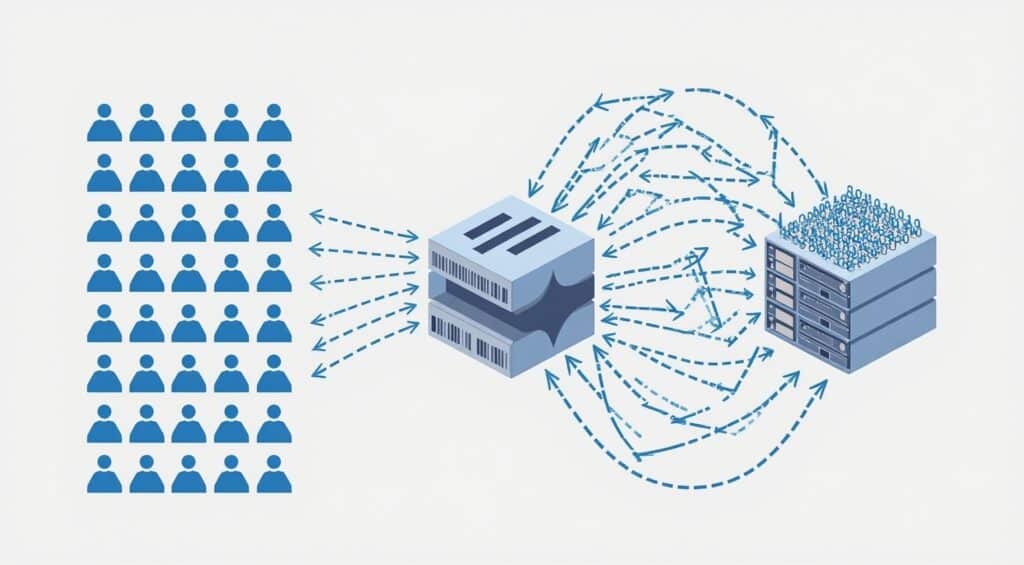
Many VDI environments perform well during testing but begin to struggle as user density increases. The issue often isn’t CPU or memory, it’s inefficient I/O patterns that intensify under load.
This article revisits why performance degradation happens in real-world VDI deployments and how optimizing I/O at the Windows layer can significantly improve consistency, responsiveness, and user experience – without requiring additional infrastructure.
SQL Server Slows Down Under Load – A Quick Refresher on the Real Bottleneck
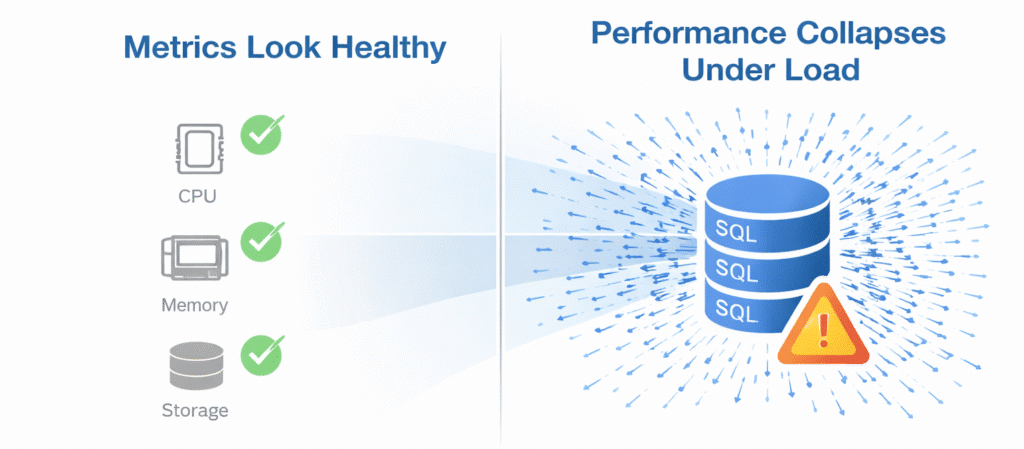
Even in environments where DymaxIO is already deployed, it’s helpful to revisit what actually happens as SQL Server workloads scale.
When performance dips under peak demand, the root cause is typically not SQL Server itself, but the underlying I/O patterns that intensify as concurrency increases. This is exactly where DymaxIO is designed to help, by reducing unnecessary I/O and improving how data is written and retrieved at the Windows layer.
This article serves as a practical refresher on how I/O inefficiencies impact SQL performance under load and why addressing them at the system level remains critical for maintaining consistent throughput and low latency.
Deleted Files from Network Shares – Why They Don’t Hit the Recycle Bin
One of the most common misconceptions in Windows environments is that deleted files from network shares can be recovered from the Recycle Bin. In reality, they bypass it entirely.
This article breaks down why that happens, what it means for your data protection strategy, and how organizations can ensure deleted files are recoverable when it matters most.
Read here »
We Would Love To Hear From You
Your feedback continues to play an important role in how we evolve our products and support our customers. Whether you’re seeing measurable performance gains, leveraging Undelete for fast recovery, or exploring new use cases, we’d love to hear about your experience.
If you have questions, insights, or would like to share results from your environment, please reach out to your account manager or contact us anytime.
Thank you again for your continued trust in Condusiv.
Best Regards,
The Condusiv Team
Condusiv Newsletter: March 2026
© 2026 Condusiv Technologies. All rights reserved. Condusiv, DymaxIO, and Undelete are trademarks or registered trademarks of Condusiv Technologies in the USA and other countries. All other trademarks noted are the property of their respective owners. Our Privacy policy and Terms of use.